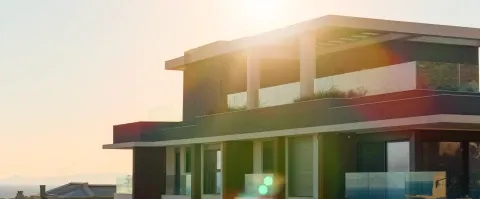
Across Greece, urban regeneration is emerging as a powerful force for change, transforming underutilized buildings into vibrant residential communities, mixed-use developments, and modern living environments that contribute to the social and economic revival of entire neighborhoods.
Giving Existing Buildings a Second Life
For many years, urban development was largely associated with demolition and new construction. Today, however, a different approach is gaining momentum: adaptive reuse.
Rather than replacing existing structures, adaptive reuse focuses on repurposing them. Former industrial facilities become contemporary residences. Vacant office buildings are transformed into apartments. Historic properties are reimagined as dynamic spaces that combine living, working, and leisure.
This approach allows cities to preserve elements of their architectural identity while adapting them to meet modern needs.
Why Urban Regeneration Matters
Urban regeneration goes far beyond improving the appearance of a building. When executed thoughtfully, it creates lasting benefits for cities, communities, and local economies.
Addressing Housing Demand
Many cities across Greece are experiencing growing demand for quality housing, particularly in central urban locations where available land is increasingly limited.
Converting underutilized commercial and industrial properties into residential developments helps expand housing supply in established neighborhoods, often delivering new homes more quickly and efficiently than large-scale ground-up developments.
Revitalizing Local Economies
A single regeneration project can have a ripple effect on an entire district.
When vacant buildings are brought back into use, they attract residents, visitors, businesses, and
investment. New cafés, restaurants, retail spaces, and services often follow, generating economic activity and breathing fresh energy into areas that may have remained dormant for years.
Strengthening Communities
Urban regeneration also contributes to a stronger sense of place.
By transforming neglected spaces into active, well-designed environments, cities can create neighborhoods where people want to live, work, and interact. Improved public spaces, increased residential activity, and mixed-use developments contribute to safer, more vibrant communities and a higher quality of life for residents.
Sustainability Through Reuse
One of the most compelling arguments for adaptive reuse is its environmental impact. Demolishing a building and constructing a new one requires significant amounts of raw materials, energy, and resources. Repurposing an existing structure dramatically reduces waste while preserving the embodied carbon already contained within the building.
According to data from the World Economic Forum, reusing an existing building can generate between 50% and 75% fewer carbon emissions compared to constructing a similar building from scratch. In many cases, up to 90% of construction materials can be retained and diverted from landfill.
At the same time, older buildings can be upgraded with modern energy-efficient technologies, allowing them to meet contemporary sustainability standards while preserving their original character.
A New Chapter for Urban Living
At MIBS Group, urban regeneration is an opportunity to contribute to the long-term evolution of the urban environment.
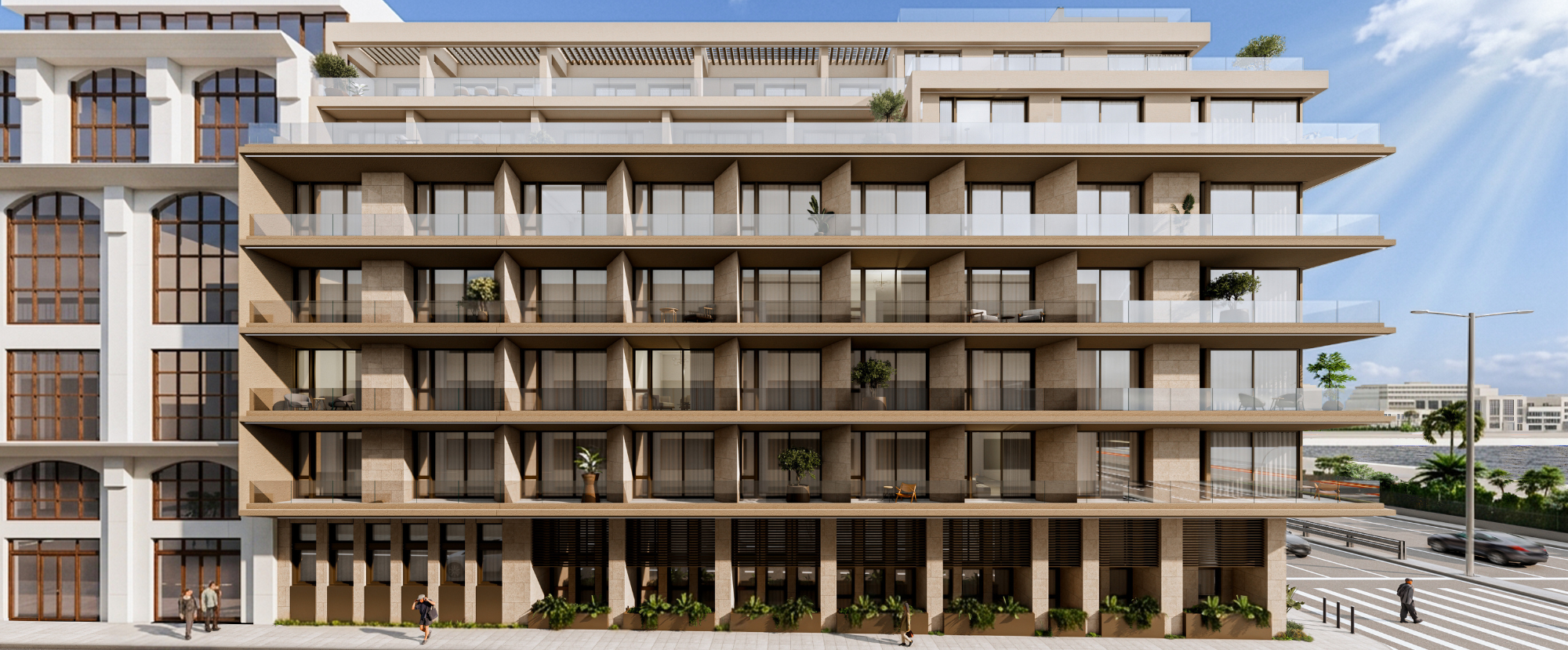
Projects such as
Etolikou 11 and
Etolikou Seafront demonstrate how former commercial and industrial assets can be transformed into modern residential destinations that combine architectural quality, energy efficiency, and contemporary living standards.
By reimagining neglected spaces and unlocking their hidden potential, we aim to create developments that not only serve today's residents but also strengthen communities and support the sustainable growth of our cities for the next generations to come.
Looking Ahead
As cities continue to face challenges related to housing, sustainability, and urban growth, urban regeneration is becoming an increasingly important part of the solution.
The future of development will not be defined solely by what we build on empty land, but also by how effectively we reinvent the spaces that already exist. By giving abandoned buildings a new purpose, we create more resilient neighborhoods, stronger local economies, and cities that are better prepared for the future.

-medium.webp)